
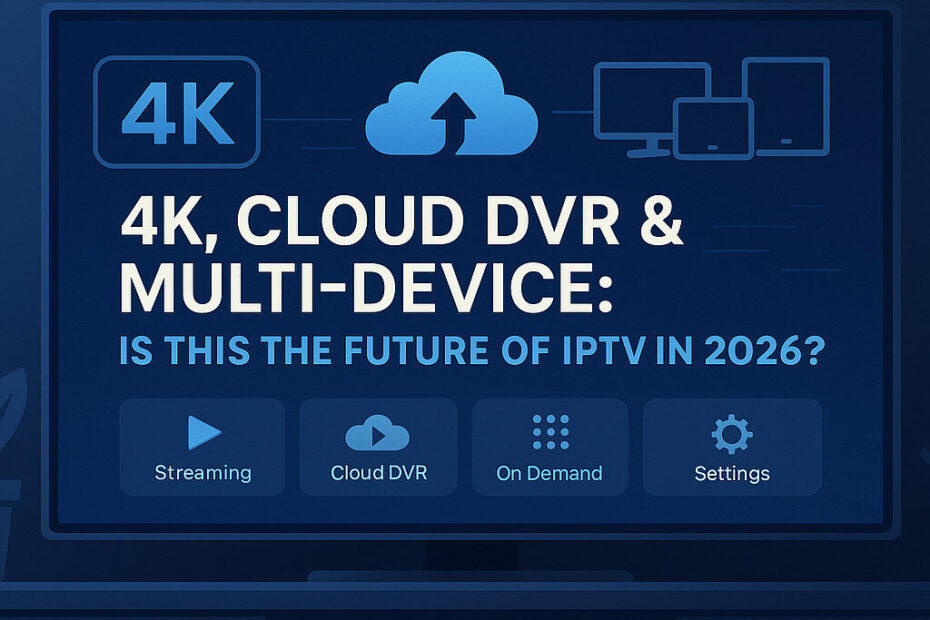
The IPTV industry is undergoing its biggest shift since streaming began. With fiber internet now standard in many regions, 5G improving wireless speeds, and users demanding cinematic quality on every device, IPTV providers are racing to deliver the next generation of television.
In 2026, the future of IPTV is being shaped by three major innovations:
- 4K as the new default streaming resolution
- Cloud DVR replacing old-style physical recording systems
- Full multi-device synchronization across TVs, phones, tablets, and laptops
These aren’t just trends — they’re becoming the foundations of how we’ll watch live TV, movies, and sports over the next few years.
Let’s break down what’s changing, why it matters, and what viewers can expect from the IPTV ecosystem in 2026 and beyond.
⭐ 4K Streaming: From Luxury to Standard

For years, 4K was a “nice-to-have” reserved for premium subscribers or high-end services.
In 2026, it’s becoming the baseline for IPTV quality.
Why 4K is finally becoming the standard in IPTV:
- More households now own 4K TVs
- Fiber & 5G networks reduce bandwidth limitations
- Sports broadcasters are shifting to 4K-first delivery
- IPTV apps are using newer, lighter codecs like H.265 & AV1
For viewers, this means clearer details, vibrant color accuracy, and smoother motion — especially important for live sports, action movies, and nature channels.
HD streams are no longer enough.
And IPTV platforms are responding.
⭐ Cloud DVR: Recording Without Limits
The days of filling up a physical DVR box are over.
Cloud DVR is redefining how users record and store content.
What Cloud DVR brings in 2026:
- Record unlimited hours (depending on plan)
- Access recordings on any device
- Record 4K broadcasts without local storage
- Auto-record entire seasons or sports competitions
- Never lose content — no hardware to fail
Cloud DVR turns IPTV into a more flexible ecosystem:
Record on your TV, watch on your smartphone later. Or set a recording while traveling, then stream it when you get home.
It’s the convenience users have wanted for years, and it’s finally becoming mainstream.
⭐ Multi-Device Streaming: Your Content, Anywhere
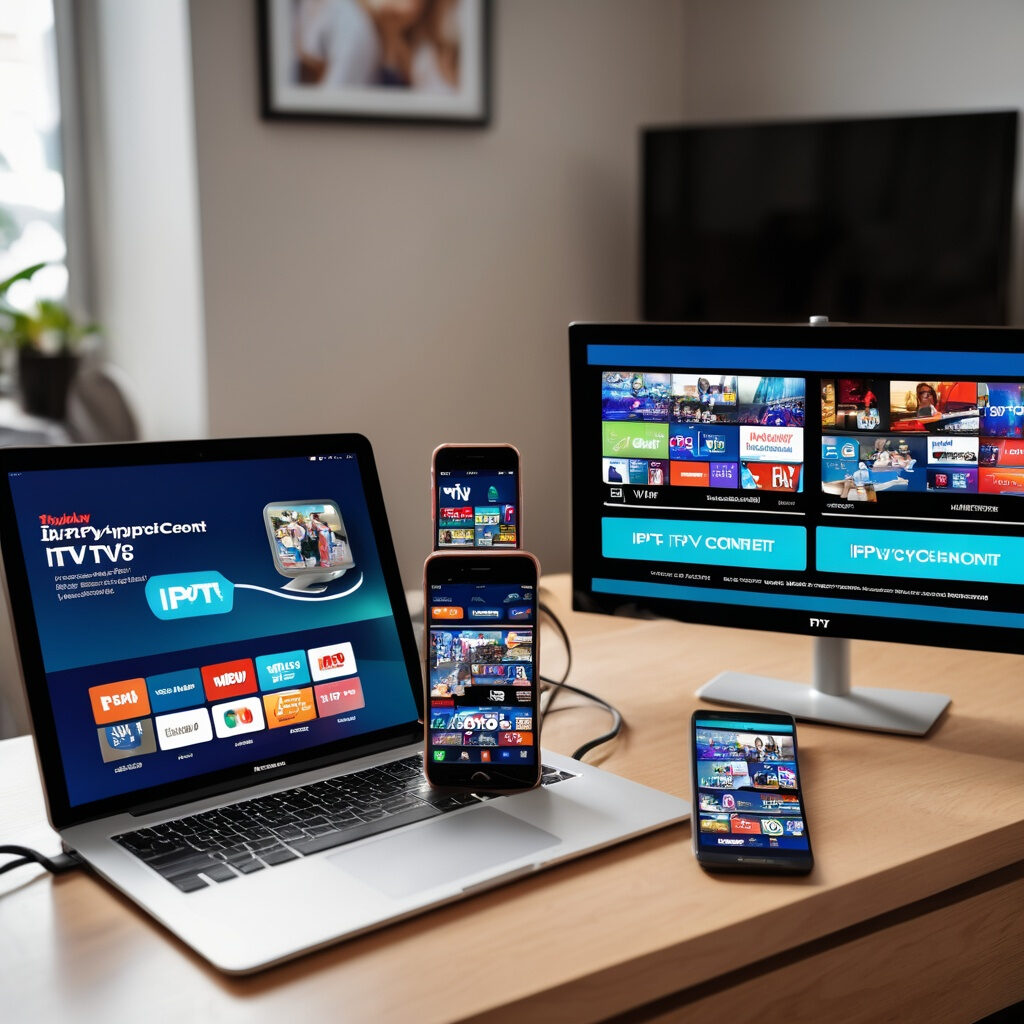
One of the biggest shifts in IPTV is the rise of multi-device synchronization — a feature that major streaming platforms like Netflix and Disney+ normalized.
Now IPTV providers are catching up.
Multi-device IPTV in 2026 offers:
- Start watching on one device and continue on another
- Multiple profiles per household
- Simultaneous viewing on different screens
- Synchronized recommendations and viewing history
This is especially valuable for families with multiple TVs, tablets, and mobile devices.
The new generation of IPTV apps are designed to live around you, not just on your living room television.
⭐ Smart AI Features: IPTV Gets Intelligent
2026 will be the year where IPTV stops being just “channels” and starts becoming a personalized experience.
AI-driven features include:
- Smart recommendations based on viewing habits
- Automatic quality optimization depending on your network
- Real-time stats for sports channels
- Voice search and hands-free navigation
- AI-generated highlights for recorded games
TV is no longer passive — IPTV is becoming interactive, dynamic, and smarter.
⭐ Cloud-Based Delivery: Better Stability, Less Buffering
One of the reasons IPTV struggled in the past was inconsistent reliability. But providers in 2026 are using something new: cloud-based channel delivery.
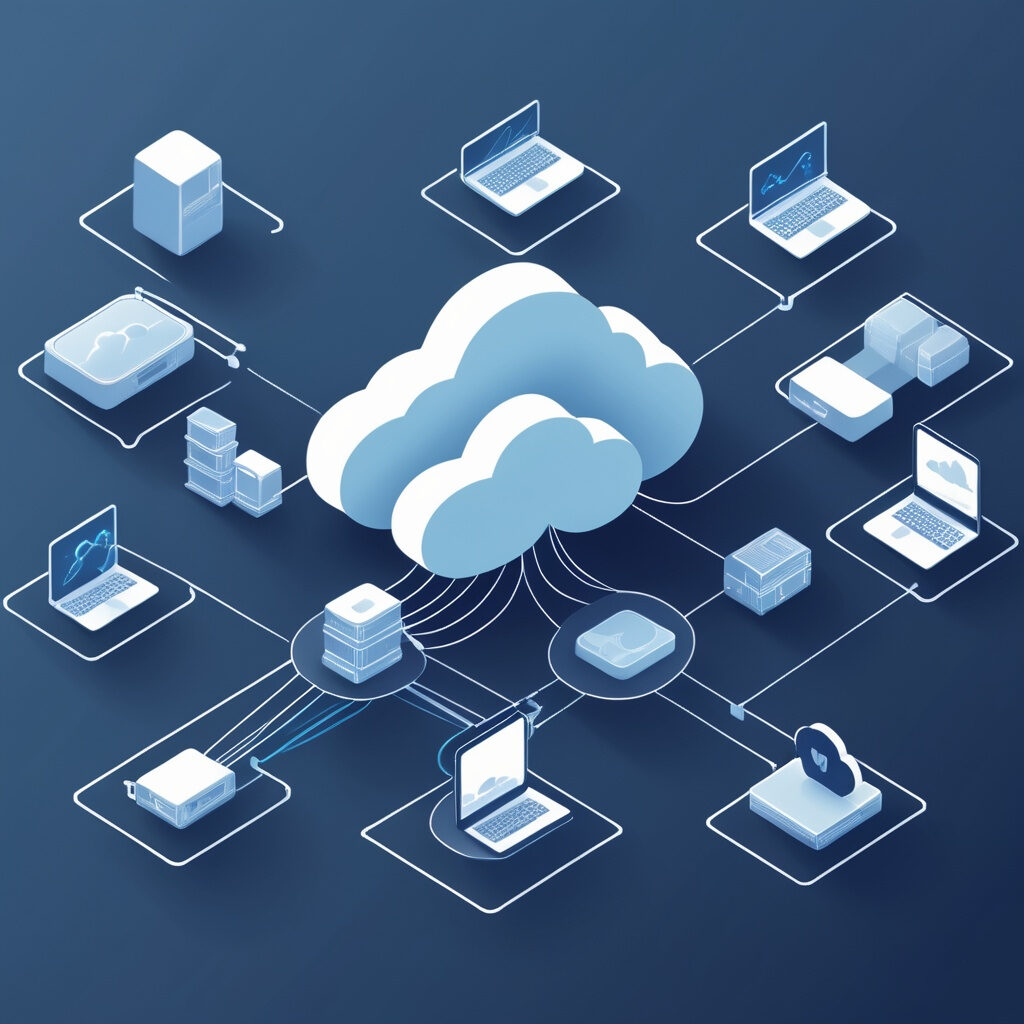
This ensures:
- More stable streams
- Faster channel switching
- Global CDN distribution
- Protection against server overload
This tech is already used by major platforms like YouTube and Twitch — IPTV is finally catching up.
⭐ Early Adoption of 8K and HDR+
While 8K is far from mainstream, 2026 introduces the first wave of 8K-ready IPTV broadcasts, especially for:
- Elite sports events
- Cinematic programming
- High-end documentary channels
Even if viewers don’t have 8K TVs yet, the move signals that IPTV is preparing for the next leap in visual quality.
HDR formats like HDR10+ and Dolby Vision are also becoming more widely supported — often offering a bigger improvement than resolution alone.
⭐ Challenges IPTV Still Faces in 2026

Even with all this progress, IPTV has hurdles to overcome:
- ISP throttling and blocking in some regions
- Illegal IPTV services damaging the industry reputation
- Fragmented app compatibility across devices
- High bandwidth requirements for 4K/8K streaming
- Complex setup for inexperienced users
The technology is improving fast — but it still has room to grow.
⭐ So, Is This the Future of IPTV in 2026?
Absolutely.
The combination of 4K quality, cloud-based flexibility, and seamless multi-device experiences is transforming IPTV into a premium, modern, and competitive alternative to traditional cable and satellite TV.
In 2026, IPTV isn’t just catching up to mainstream streaming services — it’s starting to surpass them.
The future is:
- Sharper (4K & 8K)
- Smarter (AI + Cloud)
- More flexible (multi-device playback)
- More personal and interactive
Viewers win.
Technology wins.
And IPTV enters its most exciting era yet.